
Understanding Joint Pain: How Osteopathy Can Help You Move Comfortably Again
At Hellier Health, joint pain is one of the most common concerns we hear about from our clients. Joint pain can affect anyone—whether it’s in the knees, hips, shoulders, or smaller joints like the hands and wrists. For some, it may come and go; for others, it can become a constant, limiting presence in their daily lives. Thankfully, osteopathy offers a holistic approach to relieve joint pain, improve mobility, and promote overall joint health.
In this post, we’ll look at what causes joint pain, explore the range of symptoms, and explain how osteopathic care can support your journey to relief.
Understanding Joint Pain
Joint pain refers to discomfort, soreness, or inflammation in any of the body’s joints—where two or more bones meet. It can range from a dull ache to sharp pain and may be temporary or chronic. Joint pain can affect one specific area, such as the hip or shoulder, or multiple joints throughout the body.
People of all ages and lifestyles can experience joint pain, though it’s especially common among those who are physically active, those with arthritis, and those with certain occupational demands.
Common Symptoms of Joint Pain
Joint pain may present as:
- Aching, throbbing, or sharp pain that may worsen with movement
- Stiffness and reduced range of motion, particularly after resting or in the mornings
- Swelling or inflammation in the joint area
- Warmth or tenderness to the touch around the joint
- Instability or weakness in the joint, making it hard to stand, lift, or perform everyday tasks
The severity of symptoms can vary widely. Some people may have mild discomfort that doesn’t interfere with daily life, while others may experience severe, chronic pain that impacts their mobility.
What Causes Joint Pain?
Several factors can contribute to joint pain, including:
- Arthritis: The most common cause of joint pain, arthritis includes conditions like osteoarthritis (wear and tear) and rheumatoid arthritis (autoimmune inflammation).
- Injury: Joint pain can result from previous injuries, such as sprains, fractures, or ligament tears, which can cause lingering discomfort even after healing.
- Overuse: Repetitive motion, such as typing or heavy lifting, can stress the joints, leading to pain, particularly in the wrists, knees, or shoulders.
- Tendinitis or Bursitis: Inflammation of the tendons (tendinitis) or the bursae (fluid-filled sacs cushioning the joints) can lead to pain and swelling around the joint.
- Poor Posture and Alignment: Improper posture can put added stress on certain joints, leading to misalignment, wear and tear, and pain over time.
How Osteopathy Can Help Relieve Joint Pain
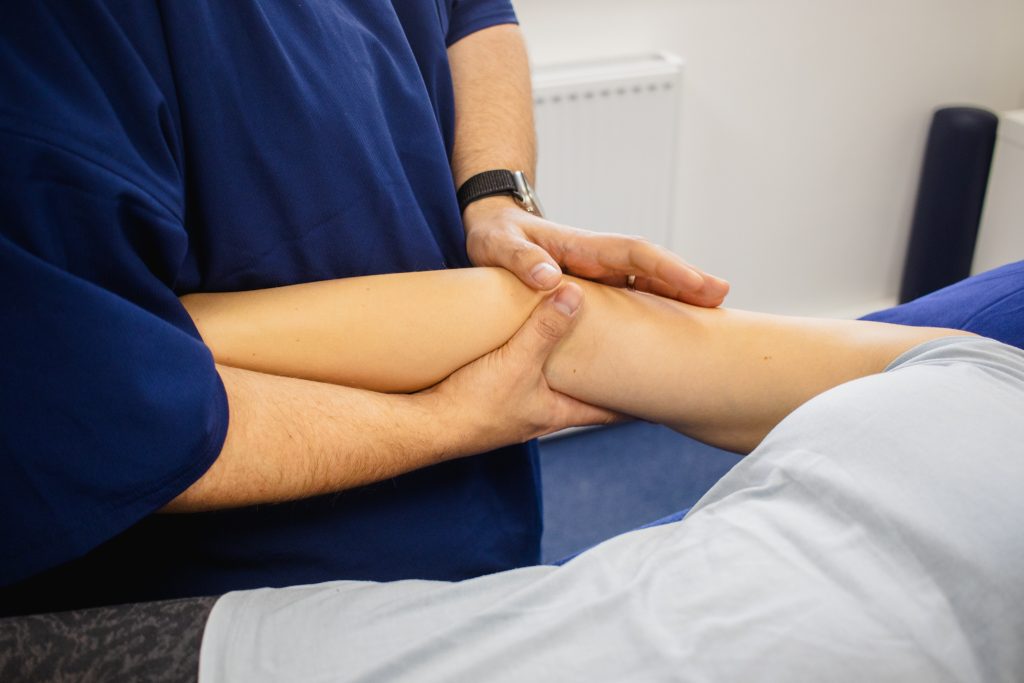
Osteopathy takes a holistic approach to managing joint pain by looking at the body’s structure and function as a whole. Our aim at Hellier Health is to relieve your symptoms while also addressing any underlying causes or contributing factors. Here’s how osteopathic treatment can help ease joint pain:
-
Improving Joint Mobility and Range of Motion
Osteopathic techniques, such as joint articulation and gentle manipulation, can help increase the range of motion and flexibility in stiff or painful joints. By encouraging proper movement, we help reduce pain and promote healing. -
Reducing Inflammation and Tension in Surrounding Muscles
Often, joint pain is exacerbated by tension or inflammation in the surrounding muscles and connective tissue. Techniques like soft tissue massage, stretching, and myofascial release can help reduce tightness, lower inflammation, and improve circulation around the affected joint. -
Addressing Misalignment and Posture
Misalignment in the body can place undue pressure on certain joints, leading to pain and wear over time. Osteopaths work to identify areas of imbalance or poor posture that may be contributing to your joint pain, making adjustments to help restore balance and reduce stress on the joints. -
Supporting Long-Term Joint Health
Osteopathy doesn’t just focus on immediate pain relief—it also supports long-term joint health. At Hellier Health, we’ll provide guidance on specific exercises and stretches to keep your joints strong and flexible. This might include strengthening exercises to support the joint and stretches to improve flexibility, helping to prevent further pain or injury.
Simple At-Home Tips to Support Joint Health
Alongside osteopathic treatment, there are simple ways to help keep your joints healthy:
- Stay Active: Low-impact activities like walking, swimming, or cycling can keep joints flexible and prevent stiffness.
- Practice Good Posture: Be mindful of your posture, especially during prolonged sitting or repetitive tasks.
- Incorporate Stretching and Strengthening Exercises: Regular stretching and targeted exercises can help maintain strength and flexibility in the muscles around your joints.
- Listen to Your Body: If a particular movement or activity causes pain, take a break and let your body rest.
Seeking Relief? Hellier Health is Here to Help
Joint pain doesn’t have to hold you back. At Hellier Health, we’re here to help you find relief and support your journey to long-term joint health. Our experienced osteopaths will work with you to create a personalised treatment plan, addressing the root cause of your pain and helping you feel more comfortable, flexible, and in control.
If you’re ready to take the first step towards easing your joint pain, book a consultation with us today. Together, we’ll find the approach that works best for you.