
Sports Injuries and Recovery: How Osteopathy and Massage Can Help You Get Back in the Game
Sports Injuries and Recovery: How Osteopathy and Massage Can Help You Get Back in the Game
For athletes and fitness enthusiasts, injuries can be frustrating setbacks that disrupt training, lower performance, and even impact mental well-being. Whether it’s a sprained ankle, a hamstring strain, or recurring aches from overuse, recovering effectively requires a well-rounded approach. At Hellier Health, we believe osteopathy and massage therapy offer two powerful solutions to not only accelerate recovery but also prevent future injuries and support long-term athletic performance.
But how do you know when to choose osteopathy and when to opt for massage therapy? Understanding what each approach offers can help you make an informed choice that leads to a faster, smoother recovery.
Understanding Osteopathy for Sports Injuries
What is Osteopathy?
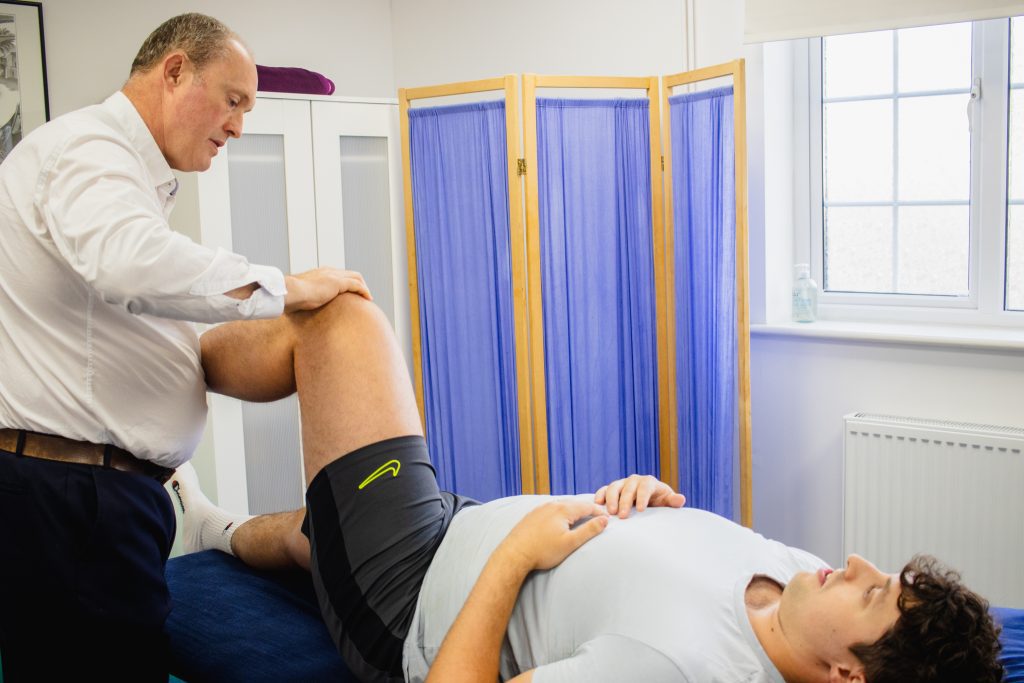
Osteopathy is a holistic, hands-on treatment that focuses on the body’s musculoskeletal structure, aiming to encourage natural healing by restoring balance. Osteopaths use manual techniques such as stretching, joint manipulation, and tissue massage to address structural dysfunction, promote circulation, and improve movement.
How Can Osteopathy Help with Sports Injuries?
Osteopathy is particularly beneficial for sports injuries because it addresses underlying causes rather than simply alleviating symptoms. For example, if knee pain is the issue, an osteopath may find that tight hip muscles or weak core muscles are placing extra strain on the knee joint. By treating these imbalances, osteopathy reduces pain, prevents re-injury, and restores more comfortable movement.
Osteopathy is especially helpful for:
- Joint Injuries: Osteopathic manipulation can restore proper joint alignment and ease pressure on the surrounding tissues, making it effective for ankle sprains, knee strains, or shoulder injuries.
- Back and Neck Pain: High-impact activities or repetitive sports movements often cause spinal misalignment and associated back or neck pain. Osteopathy can release tension and correct alignment, improving comfort.
- Postural Imbalances: Osteopaths assess and treat muscular imbalances or postural asymmetries that might lead to sports injuries, restoring balance and improving form.
When to Choose Osteopathy
Osteopathy is a good choice if you’re dealing with:
- Recurring joint pain or muscle strain that hasn’t improved with rest
- Persistent back, neck, or hip pain
- Restricted range of motion or difficulty with flexibility
- Postural imbalances affecting your performance
Osteopathy is suited to both acute injuries, such as recent ankle sprains, and chronic conditions requiring ongoing management.
The Role of Massage Therapy in Sports Recovery
What is Massage Therapy?
Massage therapy involves hands-on manipulation of muscles and soft tissues to reduce tension, improve circulation, and promote relaxation. Sports massage, in particular, addresses the muscular stress and strains that result from athletic activity.
How Can Massage Therapy Help with Sports Injuries?
Massage therapy supports faster recovery, pain relief, and injury prevention by keeping muscles relaxed and flexible. It also aids in flushing out toxins, improving blood flow, and relieving muscle tightness, all of which contribute to faster healing.
Massage therapy is effective for:
- Muscle Recovery: After intense workouts, muscles become tight and sore. Massage can release lactic acid, reduce soreness, and improve circulation, helping muscles recover faster.
- Reducing Scar Tissue: For soft tissue injuries, massage can break down scar tissue, improving range of motion and reducing long-term pain.
- Preventing Injury: By keeping muscles pliable, massage therapy reduces the risk of strains and tears that can occur when muscles are tight or fatigued.
When to Choose Massage Therapy
Consider massage therapy if you’re experiencing:
- Muscle stiffness and soreness after exercise
- Overuse injuries, such as tendonitis or shin splints
- Minor strains or discomfort that might worsen without attention
- A need for relaxation and mental stress relief, supporting physical and mental recovery
Massage therapy is especially suited to treating muscular tension and soreness without structural misalignment.
Osteopathy vs. Massage: Which Should You Choose?
In many cases, combining osteopathy and massage therapy offers a balanced approach to both structural and muscular recovery. Here’s a guide to help you decide:
-
Choose Osteopathy if: Your pain stems from joint issues, alignment problems, or chronic aches linked to structural imbalances. Osteopathy is ideal for ongoing joint pain, spinal misalignment, or posture-related discomfort.
-
Choose Massage Therapy if: You’re experiencing muscular tightness, soreness, or fatigue after exercise. Massage therapy is a great option for relieving muscle tension and supporting recovery from minor strains or overuse injuries.
For many athletes, a holistic approach combining osteopathy and massage provides the best support for injury recovery and prevention. At Hellier Health, we’re here to create a tailored treatment plan to meet your specific needs.
Get Back in the Game with Hellier Health’s Personalised Recovery Plans
Sports injuries don’t have to mean prolonged downtime. With a personalised combination of osteopathy and massage therapy, you can reduce pain, restore balance, and get back to the game stronger than ever. At Hellier Health, our team of experienced osteopaths and massage therapists is dedicated to helping you recover quickly and return to the activities you love.