
5 Common Questions About Osteopathy, Answered
If you’re new to osteopathy or considering it as part of your health and wellness plan, you might have a few questions. Osteopathy offers a holistic approach to treating musculoskeletal issues, helping people manage pain, improve mobility, and prevent injury. Yet many people wonder how it works and what sets it apart from other types of therapy. Here, we answer five of the most common questions about osteopathy to help you make informed decisions about your care.
1. What’s the Difference Between Osteopathy and Chiropractic Care?
While both osteopathy and chiropractic are forms of manual therapy, they differ in approach, techniques, and areas of focus.
-
Osteopathy: Osteopaths treat the whole body, focusing on how different parts work together and impact one another. Osteopathy considers muscles, joints, nerves, and even circulation, aiming for overall balance and alignment in the body. Osteopaths use a range of techniques, including stretching, mobilisation, and soft tissue manipulation, to relieve pain, improve mobility, and promote natural healing.
-
Chiropractic Care: Chiropractors focus primarily on the spine, using targeted spinal adjustments to align vertebrae. The philosophy behind chiropractic care is that proper spinal alignment can relieve nerve pressure and improve health throughout the body. Chiropractic treatments often involve quick, forceful adjustments to correct misalignments.
In Summary: While osteopathy provides a whole-body approach and uses gentle, varied techniques, chiropractic care focuses mainly on the spine with specific adjustments. Both are effective therapies, but the choice depends on your individual health needs and treatment preferences.
2. Is Osteopathy Only for Back Pain?
No, osteopathy treats a wide range of conditions beyond back pain.
Although many people seek osteopathic treatment for back issues, osteopathy can help with many musculoskeletal concerns, including:
- Neck and shoulder pain
- Joint pain in areas like the knees, hips, and elbows
- Sports injuries, sprains, and strains
- Tension headaches and migraines
- Postural issues and mobility limitations
Osteopathy’s whole-body approach means it’s also beneficial for improving general flexibility, managing stress-related physical tension, and enhancing overall wellness. Whether you have a specific pain or are looking for preventive care, osteopathy can be adapted to meet a wide range of health goals.
3. What Happens During an Osteopathy Session?
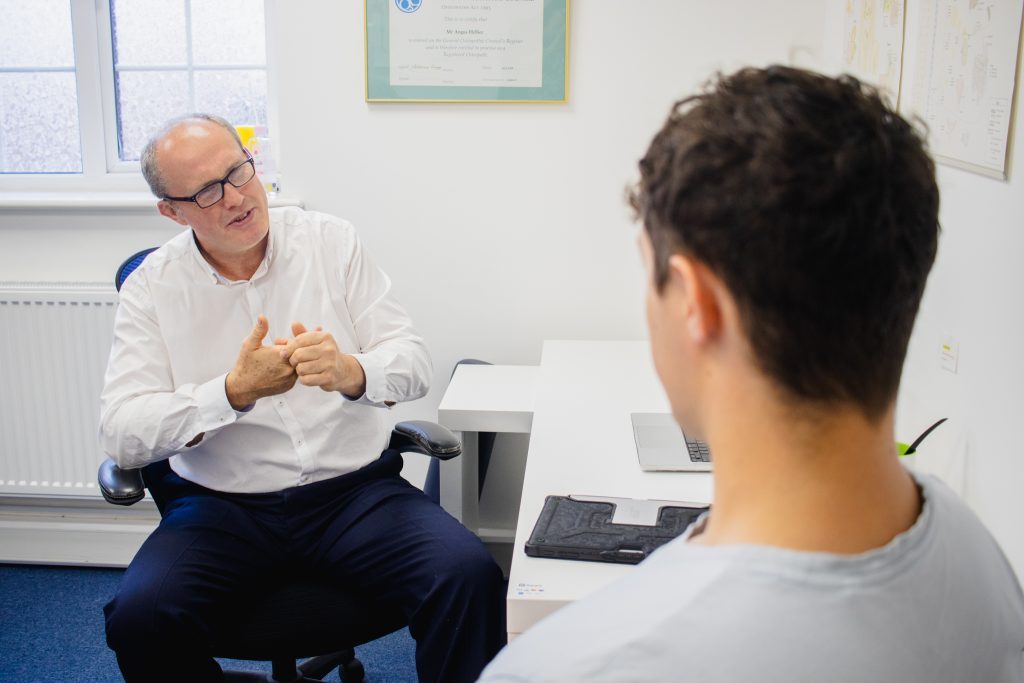
In an osteopathy session, the osteopath will start by discussing your medical history, lifestyle, and specific areas of concern. They’ll often observe your posture and movement to get a sense of how your body is aligned and where there may be areas of tension or imbalance.
During Treatment: The osteopath will use a combination of techniques to relieve tension, improve joint mobility, and restore balance. These techniques may include:
- Joint mobilisation: Gentle stretching and manipulation to improve range of motion.
- Soft tissue work: Massaging and releasing muscle tension to improve blood flow and relieve pain.
- Stretching: Applied to muscles and joints to increase flexibility and release tension.
Each session is tailored to your specific needs, and osteopaths work within your comfort level to ensure a positive experience. At Hellier Health, our osteopaths strive to make each session as comfortable and effective as possible, promoting relaxation and relief with every treatment.
4. Is Osteopathy Painful?
Osteopathy is generally very gentle, and most techniques are designed to be comfortable. While some people might experience mild discomfort during certain stretches or pressure applications, osteopaths work carefully to avoid pain.
Here’s what you can expect:
- Gentle Techniques: Osteopaths use techniques that work with the body’s natural movement, and any pressure is adjusted to your comfort level.
- Mild Soreness: Some people may feel mild soreness in the treated area for a day or two after the session, similar to the sensation after a good workout. This is generally a normal part of the body’s healing response and usually subsides quickly.
If you ever feel uncomfortable during a session, you can let the osteopath know, and they can adjust the technique accordingly. At Hellier Health, our osteopaths prioritise your comfort, ensuring that every treatment is both safe and beneficial.
5. How Long Will It Take to See Results from Osteopathy?
The time it takes to see results from osteopathy depends on the individual, the condition being treated, and factors like age and overall health. However, many clients feel some degree of relief after their first session, especially if they’re dealing with muscle tension or acute pain.
For more chronic conditions, it might take several sessions to experience full relief. Osteopathy works as a cumulative therapy, meaning that gradual improvement builds over time with consistent treatment.
Some General Guidelines:
- Acute Pain or Injury: Relief may be felt within 1-3 sessions.
- Chronic Pain or Conditions: It may take a few weeks to a couple of months to see substantial improvement.
- Preventive or Maintenance Care: For general wellness, clients may benefit from periodic sessions, such as monthly visits, to maintain alignment and manage any minor discomforts before they become more serious.
At Hellier Health, we’ll work with you to create a tailored treatment plan based on your unique needs and goals, so you can achieve lasting relief and maintain better health over time.
Discover the Benefits of Osteopathy at Hellier Health
Osteopathy offers a safe, holistic approach to managing pain and improving overall wellness. Whether you’re experiencing specific discomfort or looking to enhance your general health, osteopathy may be an effective option. At Hellier Health, our team of qualified osteopaths is here to answer any questions and help you experience the full range of benefits osteopathy can provide.
If you’re ready to start feeling better, contact Hellier Health to schedule your consultation and take the first step toward lasting wellness.